 Search behaviour is widening the path between a customer’s first question and a purchase decision. People still use Google to find pages, compare products, and evaluate services, while AI-powered search experiences increasingly summarise information and surface sources. For brands, visibility must work across traditional search and generative discovery. Digidarts approaches this shift through SEO, performance marketing, analytics, and conversion strategy, helping brands connect visibility with measurable growth. That matters for businesses evaluating the best performance marketing agency to support acquisition, not just rankings.
What SEO Means for Modern Brands
Search Engine Optimisation, or SEO, helps search engines discover, understand, and rank relevant website content.
Modern SEO brings together content quality, technical accessibility, site architecture, internal linking, page experience, and authority.
For a D2C brand, SEO may target product categories, ingredient searches, comparisons, or problem-led queries. For B2B, it can build visibility around solution pages, use cases, and decision-stage questions.
What GEO Means for AI-Driven Discovery
Generative Engine Optimisation, or GEO, refers to the emerging practice of improving how clearly a brand, product, service, or source can be understood and represented in AI-generated responses. A customer may ask an AI tool to compare providers, shortlist products, or recommend a solution.
GEO emphasises clear explanations, original insights, accurate information, first-hand expertise, evidence, and well-organised answers. These qualities can make information easier for both people and AI systems to interpret.
The discipline is still developing, so marketers should avoid treating GEO as a guaranteed ranking formula. Google states that there are no additional technical requirements specifically required for AI Overviews or AI Mode. Strong content and technical fundamentals remain the dependable foundation.
The Difference Between SEO and GEO
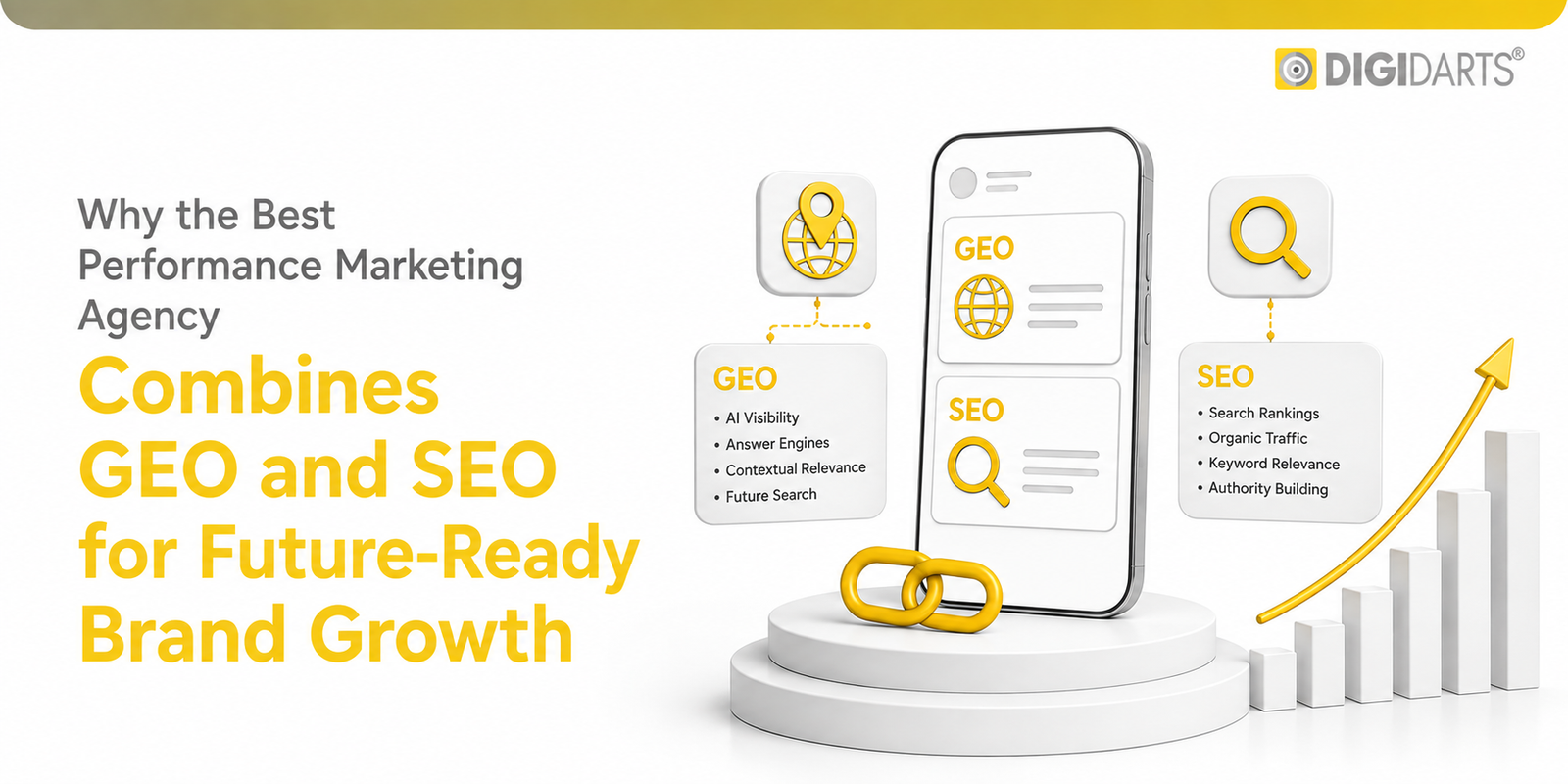
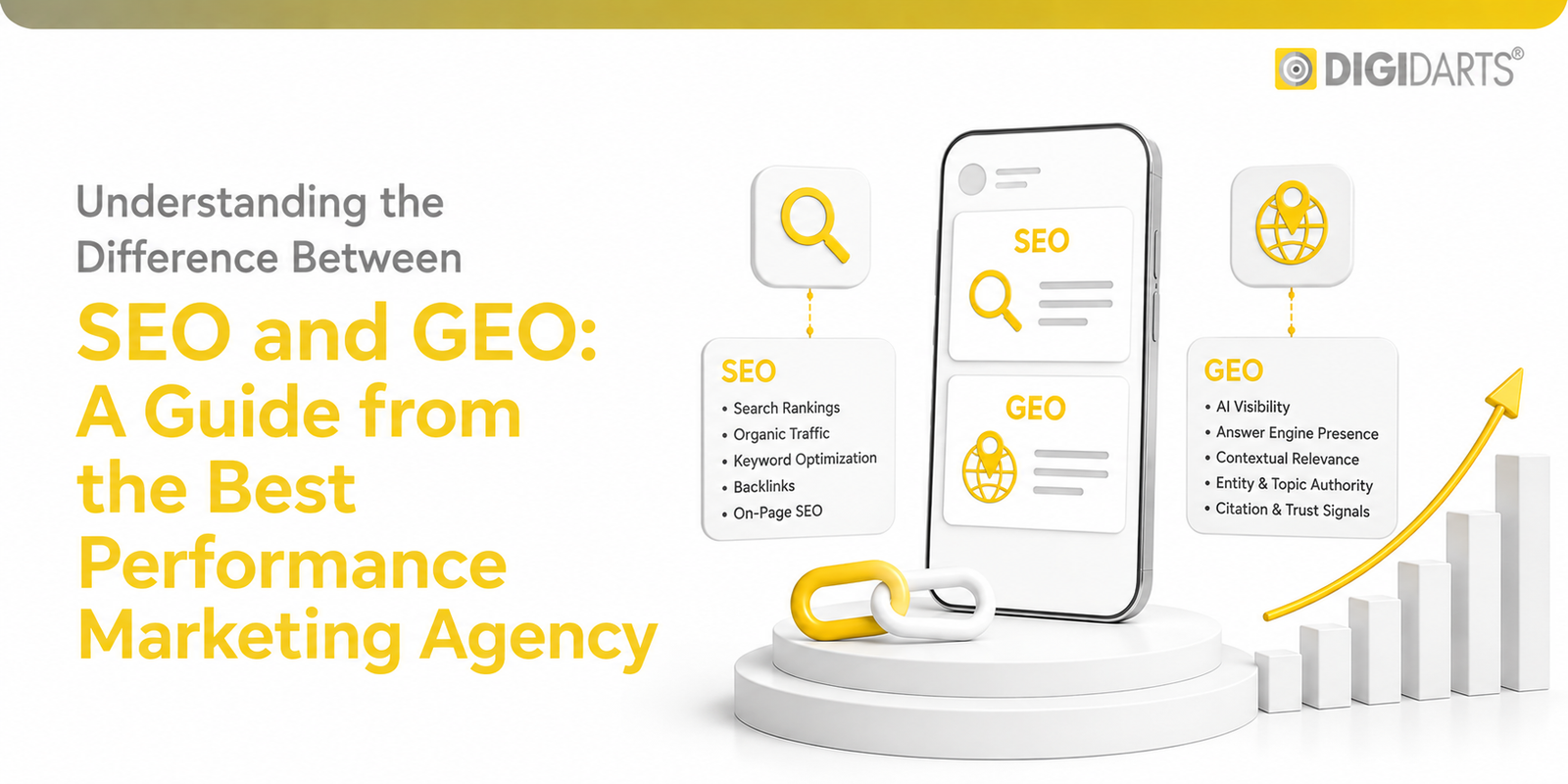
The difference between SEO and GEO is primarily the discovery environment being addressed. SEO focuses on visibility across search engine results, while GEO considers how information may be surfaced, summarised, referenced, or described within generative experiences.
Both depend on useful information, topical relevance, accessible web content, credibility, and clear user intent.
SEO can be measured through rankings, organic clicks, traffic, leads, conversions, and revenue. GEO can add signals such as AI mentions, citations, query coverage, and the accuracy of brand representation.
Why Businesses Need Both Approaches
Customer journeys can cross multiple discovery points. Someone may find a brand through an organic result, ask an AI tool for alternatives, visit a comparison page, see a paid advertisement, and return through branded search before converting.
An integrated approach makes commercial sense. SEO can establish durable discoverability, while GEO prepares the brand for conversational research and AI-assisted consideration. Paid channels can then capture additional demand and reinforce the same positioning.
For companies looking for the best performance marketing agency, this broader view matters. Digidarts can bring SEO together with Media Buying, Social Media Marketing, Creative Strategy, Affiliate Marketing, CRO, Marketing Analytics, and AI & Automation, allowing search to be evaluated as part of the complete acquisition funnel.
How SEO and GEO Fit Into Performance Marketing
Performance marketing connects visibility with measurable outcomes.
Consider an eCommerce skincare brand. SEO might target searches around skin concerns, ingredients, routines, and product comparisons. GEO-ready content can organise the same knowledge into direct answers, evidence-led explanations, and useful comparisons. Media Buying can bring relevant audiences to high-converting pages, while analytics shows which channels influence purchases.
Practical Steps to Improve Search and AI Visibility
For example, understanding the difference between SEO and GEO helps teams decide which metrics, content formats, and customer questions deserve attention across conventional search and AI-assisted discovery at every stage of the funnel.
Start with audience intent. Map the questions customers ask before purchase, during comparison, and after discovering a product or service. Build content around those needs instead of producing thin keyword variations.
Strengthen technical foundations. Priority pages should be crawlable, indexable, mobile-friendly, fast, logically structured, and connected through useful internal links.
Build evidence into important topics. Original research, expert commentary, detailed comparisons, case studies, product specifications, and credible references can strengthen trust. Google’s people-first guidance encourages original information, substantial coverage, and demonstrated expertise.
Finally, monitor traditional and generative discovery. Track important queries, rankings, organic traffic, conversions, AI mentions, citations, and brand descriptions.
Measurement Connects Visibility With Growth
SEO and GEO become more valuable when measurement extends beyond visibility. Marketing Analytics can connect clicks and engagement with leads, purchases, revenue, acquisition cost, and conversion rate. Content teams can identify topics that influence demand, while CRO teams improve the experience that follows discovery.
This is where the best performance marketing agency model becomes strategic. SEO, GEO, paid media, and conversion should support the same business objective rather than operate as isolated activities.
Digidarts can connect SEO with analytics, CRO, Creative Strategy, Media Buying, Social Media Marketing, Affiliate Marketing, and AI & Automation.
For businesses investing in search today, a strong partner should understand where discovery happens and what happens after a customer finds the brand.
Build for the Search Journey Ahead
SEO and GEO work best as connected layers of a wider growth strategy. SEO provides the technical, content, and authority foundations for discoverability, while GEO helps brands prepare for increasingly conversational AI-led research. Digidarts connects these capabilities with analytics, acquisition, CRO, and performance marketing. Businesses choosing the best performance marketing agency should turn search visibility into qualified demand, measurable conversions, and sustainable growth.
FAQs
What is the difference between SEO and GEO?
The difference is mainly the discovery environment. SEO focuses on traditional search visibility, while GEO considers how brands and information may appear in AI-generated responses across modern search journeys.
Does GEO replace SEO?
No. SEO remains a core foundation for discoverability because AI search experiences still depend on accessible, relevant, and useful web content. GEO adds considerations for generative discovery, mentions, citations, and representation.
How can a brand improve visibility in AI search?
Create clear, authoritative content that answers genuine customer questions, supports important claims, and demonstrates expertise. Maintain technical SEO fundamentals, organise information logically, and monitor relevant queries across AI search experiences.
How should businesses measure GEO performance?
Track AI mentions, citations, query coverage, and brand descriptions alongside rankings, organic traffic, qualified leads, conversion rates, customer acquisition costs, and revenue. The goal is to connect visibility signals with commercial outcomes.
Can SEO and GEO support performance marketing?
Yes. SEO can capture existing demand, while generative discovery can influence research and consideration. Paid media, creative strategy, CRO, and analytics can then help turn that attention into measurable leads, sales, and revenue.
How can Digidarts support an integrated search strategy?
Digidarts can connect SEO, performance marketing, analytics, CRO, creative strategy, and AI capabilities within one growth framework. Businesses evaluating the best performance marketing agency can assess how those disciplines connect discovery with measurable outcomes.